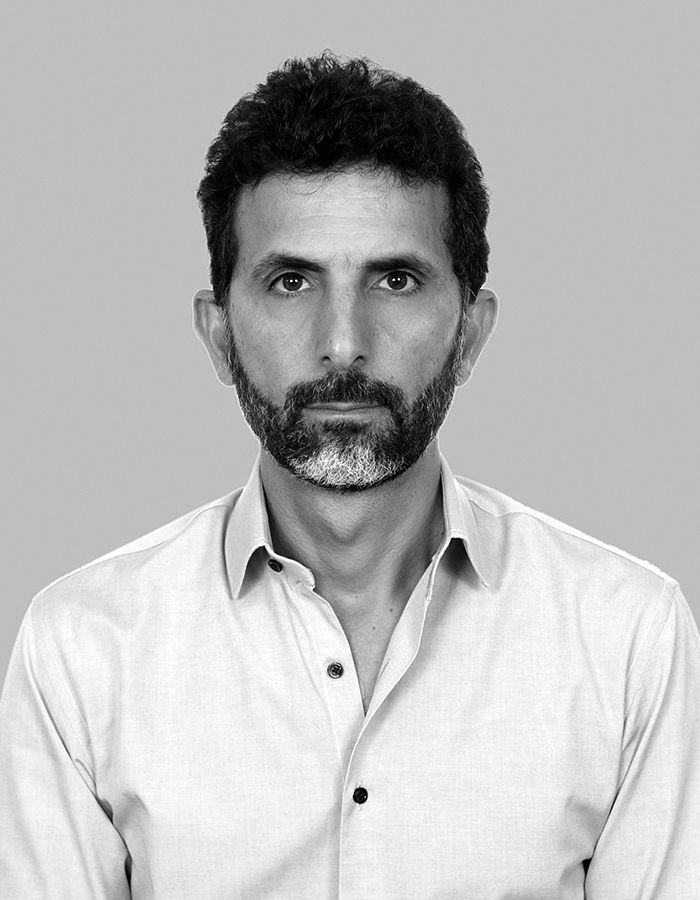
Georges Boustany
- Atelier facilitator in the ARC: Photography and Visual Formats in Lebanon in the 19th Century
Georges Boustany, a graduate of the Institut d’Études Politiques de Paris, is a writer and a passionate collector of 19th- and 20th-century photographs. Since the start of the Lebanese civil war in 1975, he has been collecting photographs and press cuttings while keeping a diary. Passionate about history, he also created the Facebook page “La guerre du Liban au jour le jour”. His collection, made up mostly of photographs taken by amateurs and anonymous photographers in the Middle East, numbers more than 10,000 items. In 2019, he published a collection of photographs entitled “Avant d’oublier” with L’Orient-Le-Jour. In the same vein as his columns for L’Orient-Le Jour, this book is an open door onto a Lebanon of the past, frozen in photographs.
Session title: Avant d’oublier, une collection photographique [Before forgetting: a photographic collection]
Date: Tuesday 18 February 2025 at 9.30 am (Beirut time)
Format: In person
Venue: Lebanese Academy of Fine Arts, Beirut (ALBA)
Language: French
Audience: Students of the ARC Photography and Visual Formats in Lebanon in the 19th Century
![Avant d’oublier, une collection photographique [Before forgetting: a photographic collection]](../../images/Georges_Boustany__CONF_1200w-819x1024.jpg)
This lecture will focus on his experience as a writer, archivist and collector of photographs. He will discuss the details of his writing process and his archival work, while highlighting the importance of preserving visual and written memory.
During this session, he will explore his vast collection of more than 10,000 photographs, mainly taken by amateurs and anonymous photographers in the Middle East. These photographs, which form the basis of the research atelier, are significant in relation to the social, cultural and political realities of the region over time.
The session will also invite students to reflect on the role of photography in the construction of collective and individual memory. It will give students an opportunity to learn more about the challenges and methodologies involved in archiving historical materials, and about the importance of interpreting them critically and in context. It will also encourage them to take a fresh look at the archive as a research tool.