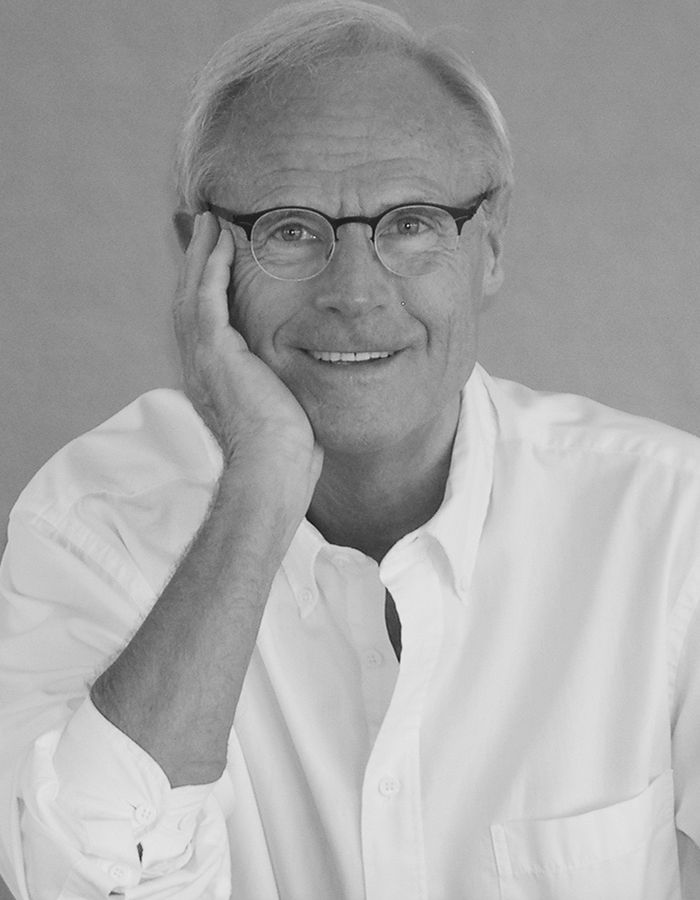
Ghislain Mollet-Viéville
- Lecturer in the ARC: Invisual Art (archived ARC)
Ghislain Mollet-Viéville is one of the most active collaborators of the Biennale de Paris, the ENDA (Ecole nationale d’art de Paris) and the Revue de Paris.
To champion artistic practices that move beyond traditional frameworks, he initiated the profession of art agent, aimed at managing art in its relationship with society.
Since 1994, his flat on rue Beaubourg (which he occupied between 1975 and 1992) has been reconstructed identically and is on permanent display, together with his collection of minimal and conceptual art, at the Musée d’Art Moderne et Contemporain de Genève (Mamco).
Ghislain Mollet-Viéville brings various bodies within our society into play in order to bring up to date the modes of production, dissemination, acquisition and actualisation of works whose originality calls for new principles of presentation and activation.
With him, the art object is no longer the object of art! In his actions, the question of the status of art, both material and intellectual, is given considerable weight in interpreting works according to a given time and place.
Lecture title: L’art
conceptuel et quelques protocoles qui préparent à l’art sans objet [Conceptual art and some protocols that pave the way for art without an object]
Date: Tuesday 12 November 2024 at 3.30 pm (Beirut time)
Format: Hybrid
Venue: Lebanese Academy of Fine Arts, Beirut (ALBA)
Language: French
Audience: Students in the invisual art atelier
The first works of conceptual art consist essentially of words or texts, sometimes combined with everyday objects, to put forward reflections that question the nature of art in its social, ideological or even psychological context. This art reconsiders the status of any material elements associated with it: they are evolving. They entail no fetishisation and are interchangeable.
The main representatives of historical conceptual art are Robert Morris, Joseph Kosuth, Art & Language, Sol LeWitt, Robert Barry, Ian Wilson, Lawrence Weiner and Tania Mouraud.
These artists invite us to put protocols into practice so that we are no longer in a state of passive contemplation before their works but rather in a position to activate them in real life.
Finally, conceptual art should be considered as a way of thinking that leads to developments rich in implications.
Publications
- MOLLET-VIÉVILLE, Ghislain (2020, 20 septembre). « L’art non artistique et le statut d’agent d’art qui en découle ». Revue de Paris. revuedeparis.fr