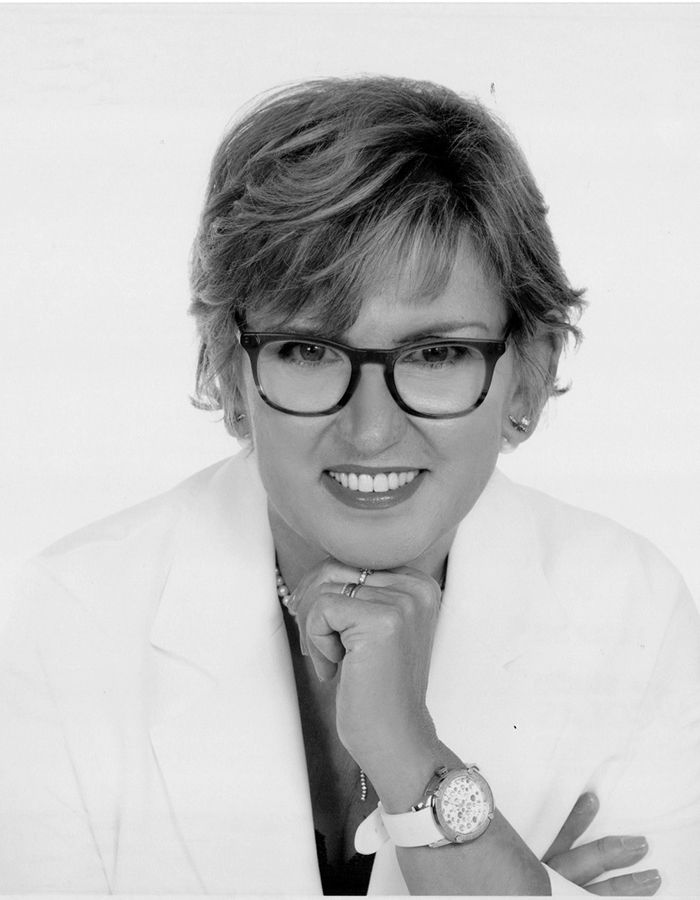
Christiane Sfeir
- Teacher-researcher in the ARC: When Artists Make Urban Space (archived ARC)
- Lecturer in the ARC: Mapping Religiosity in the Suburbs of Beirut (archived ARC)
Her research focuses on the relationship between religion, politics and geography, with a particular interest in the strategies of secular and religious actors in the process of introducing sacred spaces. Former director and head of the Department of Architecture at the Faculty of Fine Arts and Architecture/2, she was in charge of the Master’s programme in “Landscape and Environmental Architecture” at the Lebanese University from 2012 to 2017, within which she founded the “APPEL” Project (Multidisciplinary Landscape Atelier on Local Space), an annual academic atelier carried out in coordination with a local municipality. She is currently an associate expert at the Agence des Villes et Territoires Méditerranéens Durables (AVITEM), head of projects for Lebanon. A member of CERDA (Cycle of Studies and Research in Development and Planning) at the Research Centre of the UL, she supervises doctoral theses as a scientific member of the Doctoral School of Letters, Human & Social Sciences of the Lebanese University and of the Doctoral School of Science and Technology.
Lecture title: L’omniprésence du « sacré » dans les espaces publics à Beyrouth [The omnipresence of the “sacred” in public spaces in Beirut]
- Date: Tuesday 29 October 2024 at 1.30 pm (Beirut time)
- Venue: Lebanese Academy of Fine Arts
- Language: French
- Audience: Students in the ARC Mapping Religiosity in the Suburbs of Beirut
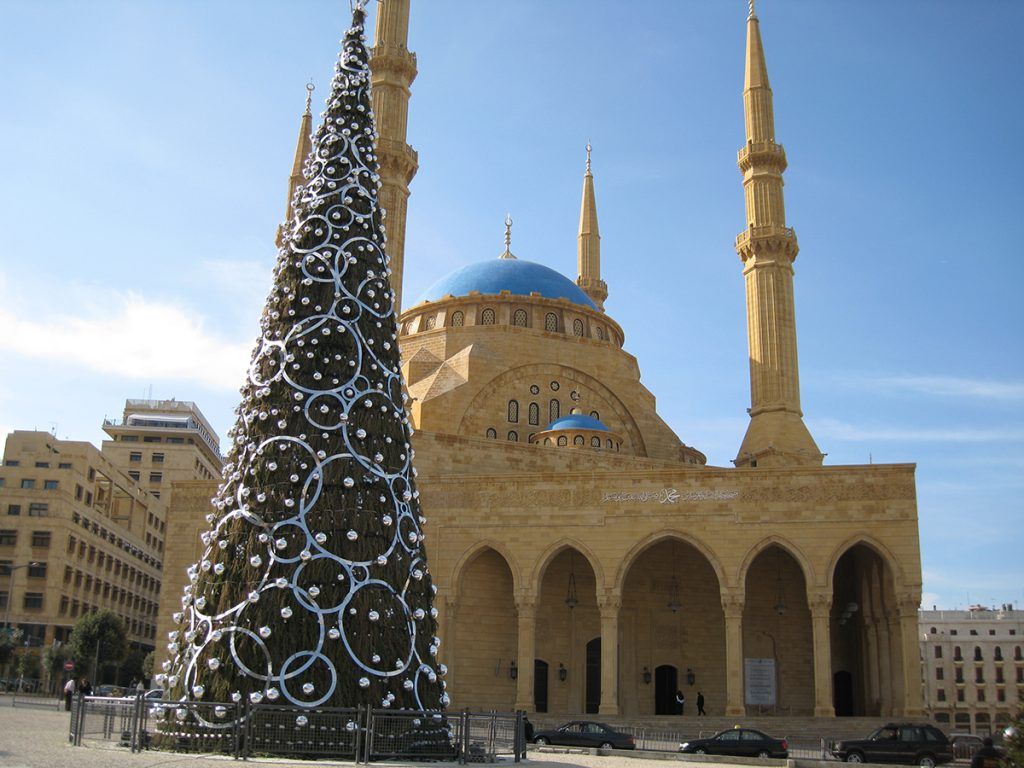
The presentation deals with the results of a research project that set out to analyse very briefly, through the eyes of a geographer, the strategies of the various religious and secular actors in their process of producing sacred spaces in Beirut, Lebanon. The eighteen Lebanese religious communities present in the country each mark Beirut’s urban landscape with religious symbols and signs that are also very often politically charged.
The basic principle is that “sacred” space is not limited to religious buildings; in Beirut, it is expressed through the appropriation of public spaces, turning easily accessible profane places into zones that impose specific rules and codes of behaviour.
In the city, religious events find expression through spiritual, cultural, social and architectural places. Beirut is marked by symbols that fuse politics and religion, with religion regularly being used by media outlets working for political parties.